

Choosing the right copper busbar is important for achieving reliable electrical performance, long service life, and safe power distribution. Bare copper, tinned copper, and insulated copper busbars all offer excellent conductivity, but each type is designed for different operating environments and installation requirements.
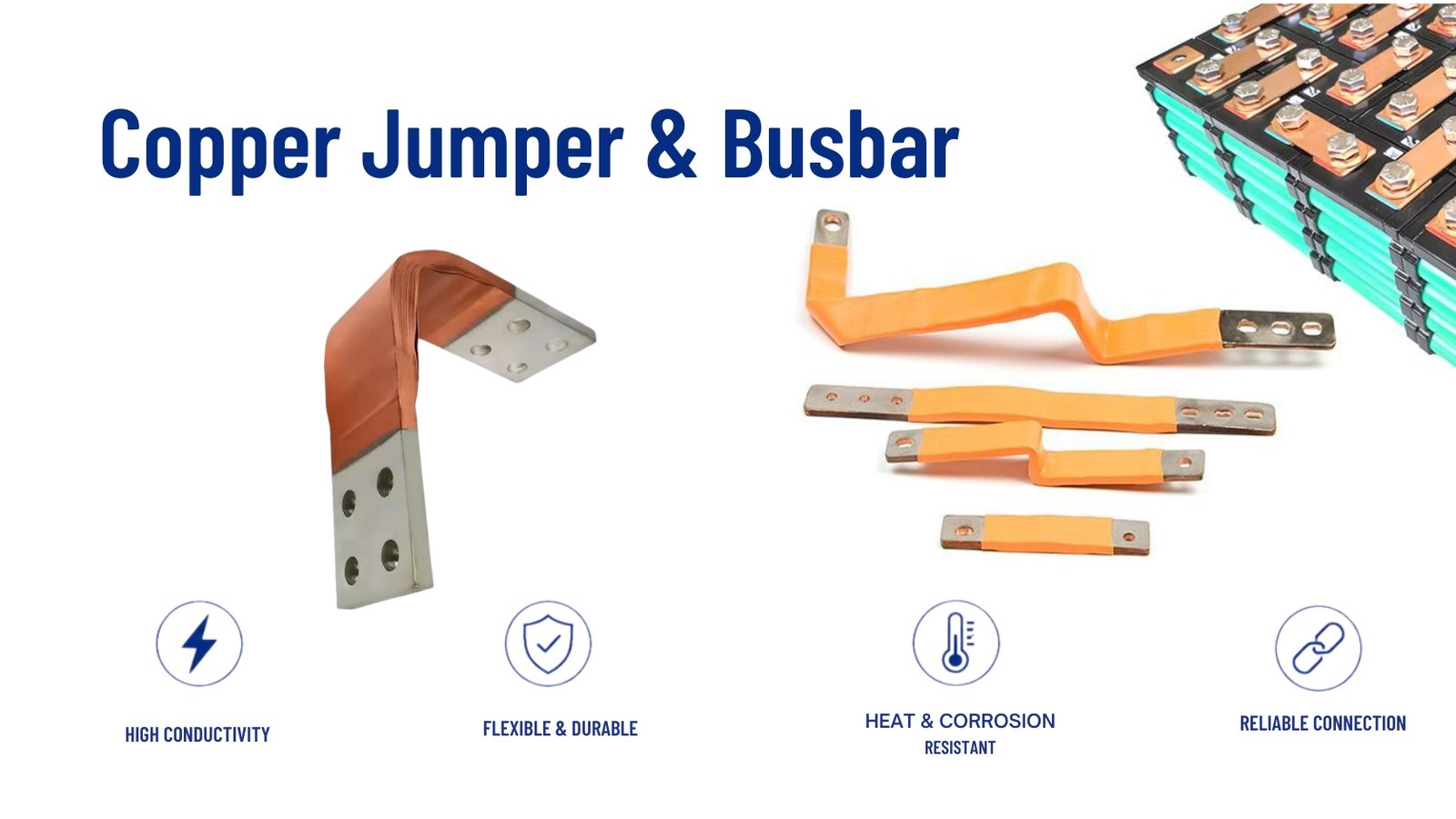
So, which copper busbar is better? The answer depends on factors such as corrosion exposure, electrical insulation requirements, temperature, installation space, maintenance, and application.
What Is a Copper Busbar
A copper busbar is a solid conductive strip, bar, or flexible assembly used to carry and distribute electrical current. Copper is widely used because of its high electrical conductivity, good thermal performance, mechanical strength, and relatively compact size for high-current applications.
Copper busbars are commonly available in three configurations:
| Feature | Bare Copper | Copper Busbar | Insulated Copper |
|---|---|---|---|
| Electrical conductivity | Excellent | Excellent | Excellent |
| Surface protection | Low | High | High |
| Corrosion resistance | Moderate | High | High |
| Electrical insulation | No | No | Yes |
| Accidental contact protection | No | No | Yes |
| Humid environments | Limited | Limited | Excellent |
Which Copper Busbar Is Best for Your Application?
There is no single copper busbar that is best for every application.
Choose Bare Copper When:
You need a cost-effective, highly conductive busbar for a controlled indoor environment and adequate electrical clearance is available.
Typical choice: Switchboards, distribution panels, transformers, and industrial electrical equipment.
Choose Tinned Copper When:
The busbar will be exposed to moisture, humidity, salt, or corrosive conditions and additional surface protection is desirable.
Typical choice: Solar systems, marine equipment, battery systems, outdoor installations, and humid industrial environments.
Choose Insulated Copper When:
Electrical safety, compact installation, phase separation, and protection against accidental contact are major priorities.
Typical choice: Switchgear, compact distribution equipment, EV systems, battery assemblies, and high-density electrical installations.
Can Tinned Copper Replace Bare Copper?
In many applications, tinned copper can be used instead of bare copper when additional corrosion protection is beneficial. However, the choice should consider the connection method, mating materials, temperature rating, coating requirements, and applicable electrical standards.
Tinning does not turn the busbar into an insulated conductor. The conductive surface remains electrically accessible.
Frequently Asked Questions
They serve different purposes. Tinning improves surface protection, while insulation provides electrical separation. A busbar can use both treatments.