

Copper braid is an electrical conductor that is designed to be flexible and consists of a number of fine copper wires woven together in a braid. Copper braid can be bent, twisted and absorb vibration, while still having a great conductivity as opposed to a single solid copper conductor.
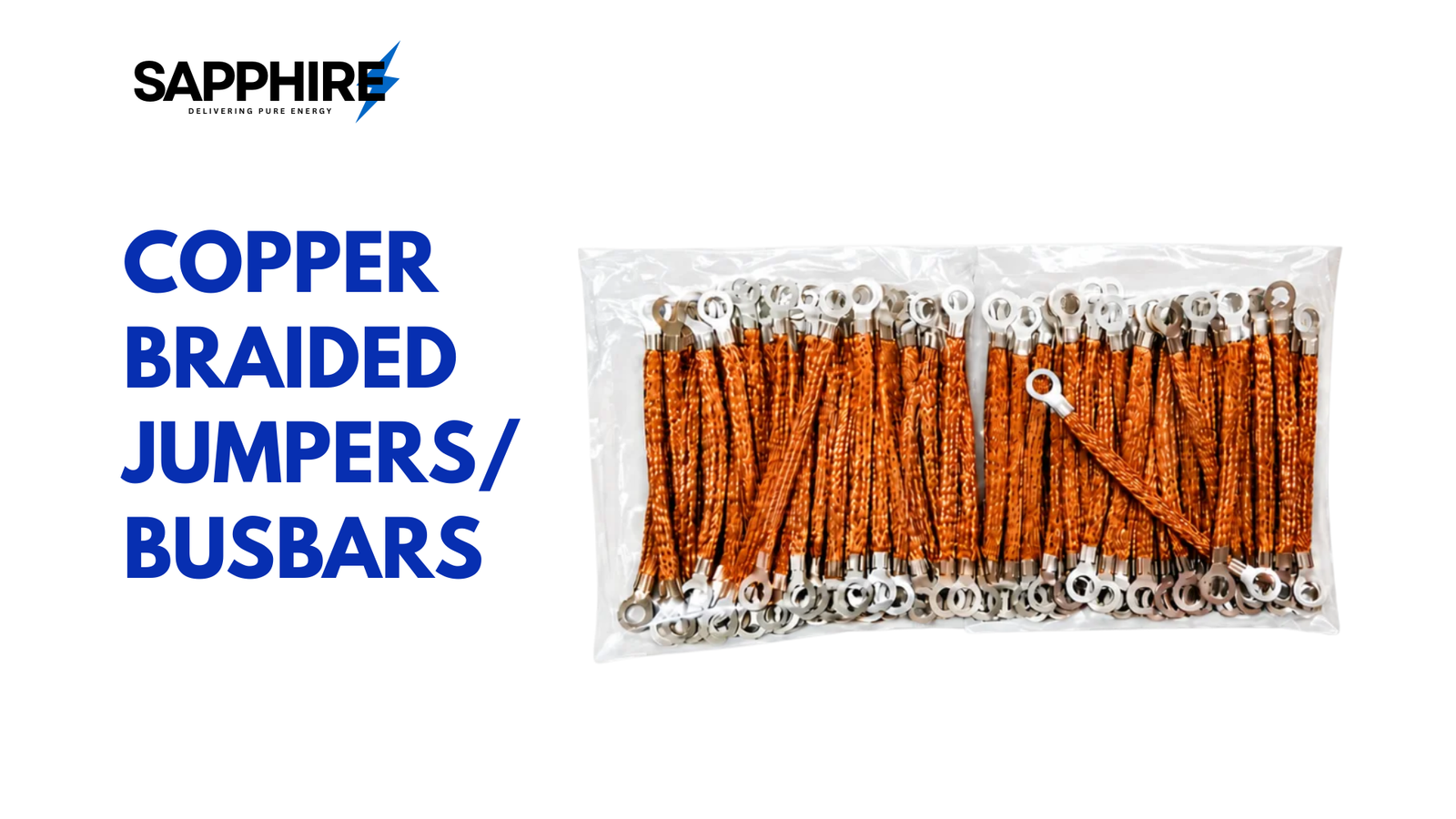
Copper braids are also used for electrical bonding, grounding, flexible jumpers, switchgear, transformers, motors, generators, battery systems, power distribution and industrial machinery. They have a special braided structure which facilitates movement and thermal expansion and are particularly suitable for applications in which rigid conductors might be subjected to mechanical stress.
Copper has excellent electrical conductivity and thermal properties, making braided copper conductor a vital part in modern electrical and industrial systems.
What Is a Copper Braid ?
Copper braid is a conductor that consists of a flat or tube braid of many fine strands of copper.
This building offer a mixture of:
Many manufacturers also provide tinned copper braids, which have a thin coating of tin to prevent the copper surface from oxidizing and corroding.
| Specification | Details |
|---|---|
| Material | High-Conductivity Copper |
| Copper Grade | ETP / EC Grade |
| Wire Diameter | 0.10–0.30 mm |
| Width | 10–200 mm |
| Length | Customizable |
How Is a Copper Braids Made ?
The process of copper braid manufacturing is a controlled process, where copper braids are manufactured to be flexible and have good electrical performance.
Typically the process involves:
The flexible nature of the braid is achieved through the flexibility of individual strands relative to each other, which is provided by the woven construction.
What Is a Copper Braid Used For ?
Copper braids are used in a variety of electrical and industrial applications.
Electrical Bonding:
The most common application of a copper braid is the electrical bonding.
A bonding braid is a type of connection between two conductive components that allows them to be at substantially the same electrical potential.
Common bonding uses are:
Grounding Applications:
Copper grounding braids are used for providing flexible conductive connections where grounding is necessary.
Typical ground use cases are:
Flexible Copper Jumpers:
Copper braids are widely used to manufacture flexible copper jumpers.
These are jumpers that join two electrical points and allow for movement, vibration or thermal expansion.
Applications include:
Switchgear Connections:
Many switchgear assemblies have components that need flexible electrical connections.
Copper braids can join to:
They’re flexible enough for easier placement in small electrical enclosures.
List of common industries that make use of copper braids
Copper braids have many applications in various sectors.
They are versatile enough to be used in high current and flexible connection applications.