

Copper flexible busbars are widely used in electrical systems where a high-current connection needs to be both efficient and able to move or adjust when needed. Unlike traditional rigid copper busbars, these flexible versions can bend and fit into tight or complex installation spaces. This makes them especially useful in situations where equipment may vibrate, heat up and expand, or require slight movement and alignment changes over time.
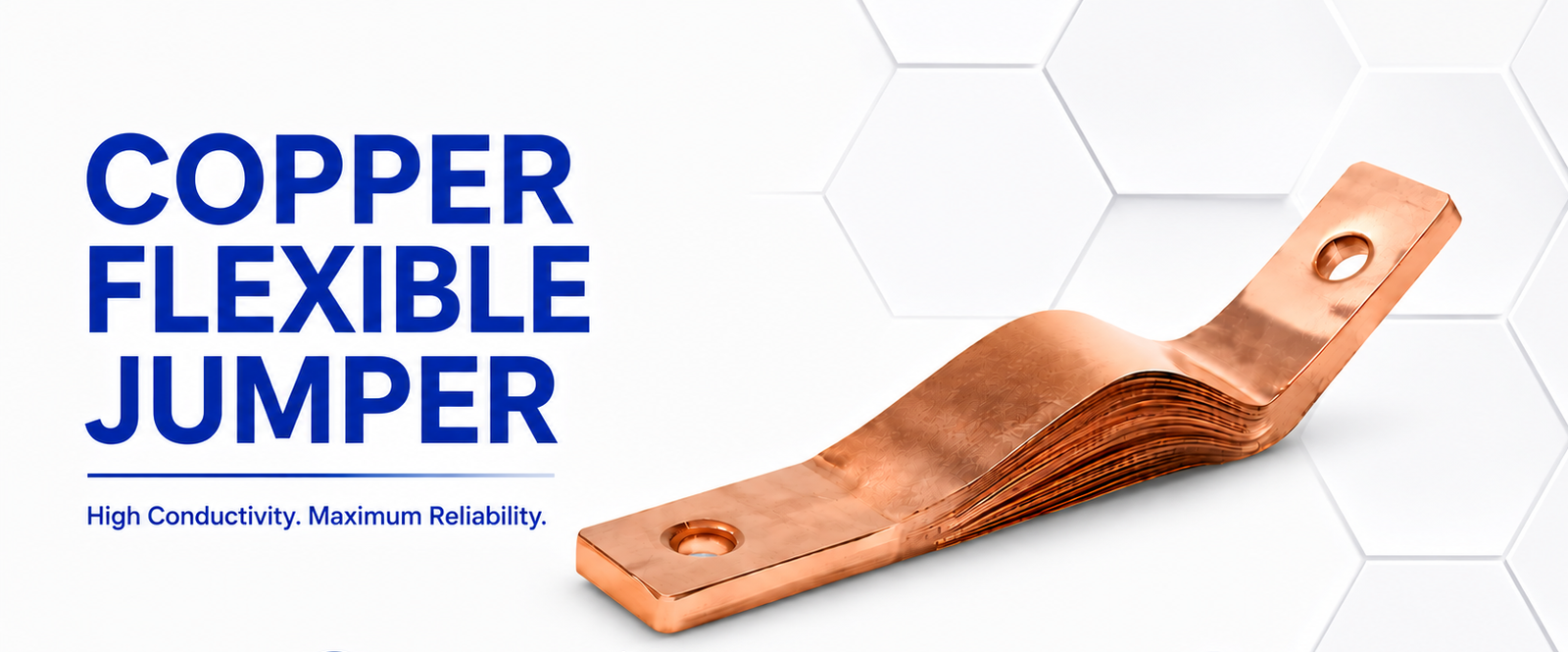
These busbars are usually made using thin layers of copper, braided copper strands, or other flexible copper constructions. Copper is chosen because it offers excellent electrical conductivity and handles heat very effectively, making it ideal for demanding electrical applications.
Why Are Copper Flexible Busbars Used
The popularity of flexible copper busbars comes from their combination of electrical and mechanical properties.
High Electrical Conductivity
Copper provides excellent electrical conductivity, making it suitable for high-current electrical connections when correctly designed and sized.
Mechanical Flexibility
Flexible constructions allow the busbar to bend and accommodate installation constraints.
Reduced Mechanical Stress
Flexible connections can reduce stress caused by vibration, thermal expansion, and small equipment movements.
Compact Design
Flexible busbars can often fit into smaller electrical assemblies than rigid conductors.
Easier Installation
Their flexible construction can simplify alignment between connection points and reduce complicated rigid busbar forming.
| Specification | Copper Flexible Jumpers / Flexible Busbars |
|---|---|
| Material | High-Conductivity Copper |
| Copper Grade | ETP / EC Grade |
| Length | As per requirement |
| Width | 10–200 mm (customizable) |
| Thickness | 0.2–10 mm (customizable) |
| Application | Switchgear, Transformers, Panels, Batteries & Power Systems |
Good Thermal Performance
Copper’s high thermal conductivity helps manage heat generated during electrical operation when the overall system is properly designed.
What Are Flexible Copper Busbars Used For?
Copper flexible busbars are mainly used where electrical equipment needs a compact, high-conductivity connection that can tolerate movement or vibration.
The most common applications include:
Types of Copper Flexible Busbars
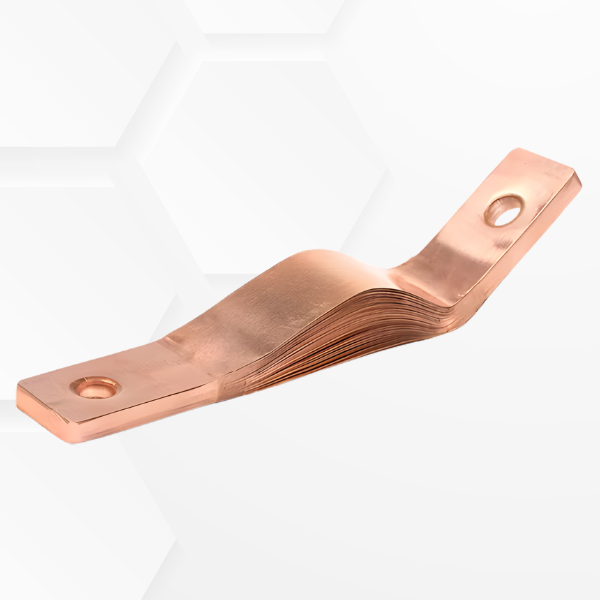
Laminated Flexible Copper Busbars
Laminated flexible busbars are made from multiple thin copper layers. This construction provides a combination of high current-carrying capability and flexibility.
Braided Copper Busbars
Braided copper busbars are constructed using multiple fine copper strands. They are particularly suitable for applications where vibration, movement, and flexibility are important.
Tinned Flexible Copper Busbars
Tinned copper busbars have a protective tin coating on the copper surface.
Tinning can provide additional protection against oxidation and may be useful for particular environmental and connection requirements.
Frequently Asked Questions
Yes. Properly designed copper flexible busbars can be used for high-current applications. Current rating, conductor dimensions, temperature rise, connection method, and installation conditions must be considered.