

While braided wire may be more expensive than solid copper wire or conventional stranded wire, the price will vary depending on conductor material, size, construction, flexibility, terminals, plating and quantity purchased.
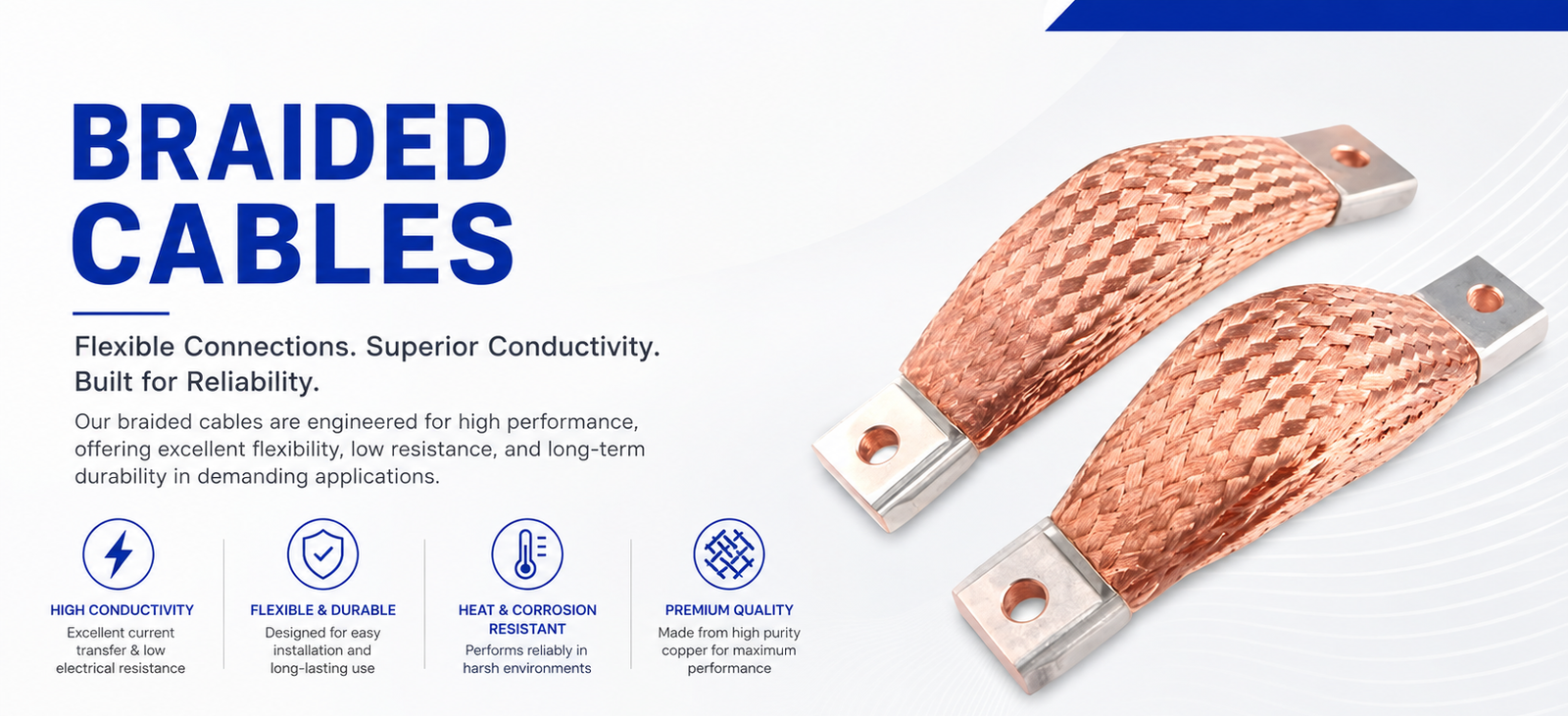
The higher cost of braided copper wire is mainly associated with its manufacturing process. Instead of using one solid conductor, braided wire is made from numerous fine strands that are woven together to create a flexible electrical connection.
However, are the extra costs worth the benefit?
Yes, in many applications. The benefits of braided copper wire include flexibility, resistance to vibration, and its ability to accept movement and thermal expansion. These properties can render it superior to a rigid conductor for critical electrical applications.
Why Is Braided Wire More Expensive?
There are a number of factors that can affect the cost of the braided wire.
More Complex Manufacturing:
Braided wire entails a bunch of thin wires to be twisted together in a controlled braid.
This manufacturing process may be more complex than to make a simple solid copper conductor.
The end result cost may thus contain extra manufacturing and processing fees.
| Specification | Details |
|---|---|
| Material | Copper / Tinned Copper |
| Construction | Multiple fine wires braided together |
| Flexibility | Excellent |
| Conductivity | High |
| Wire Diameter | Customizable |
| Application | Grounding, bonding, battery connections, switchgear & transformers |
Copper Content:
The price of copper is often a significant portion of the overall copper braided conductor cost.
The quantity of copper to be used is dependent on:
The bigger the copper braid, the more raw materials it will need, and thus the higher the price.
Fine Copper Strands:
Braided wire is made up of a lot of small wires instead of a single conductor wire.
The manufacture of these fine strands brings complexity in their production, handling and braiding.
This is especially true for flexy copper braids that are meant to be moved over a period of time.
Tinned Copper Construction:
However, some of the braided wires are tinned copper instead of bare copper.
In some environments, additional protection from oxidation and corrosion can be achieved with the help of a tin coating.
Tinned Copper Braid may be slightly more expensive than an equivalent bare copper braid due to the extra processing that needs to be done on the braid.
Terminal Lugs and Connectors:
A copper braided jumper will sometimes come pre-terminated with terminals, lugs or other types of connection hardware.
A completed flexible jumper can, for instance, comprise of:
These extra components add to the higher cost of the product than the raw braided conductor.
What Makes Copper Braided Wire Valuable?
A key factor to the use of braided copper wire is its combination of electrical conductivity and mechanical flexibility.
Solid copper conductors are highly conductive but are not very flexible.
A braided copper conductor is a conductor that is composed of many copper strands together so that it can bend and allow for movement.
This makes it particularly useful for:
What Factors Affect Braided Wire Price?
The price of braided wire can vary significantly based on its specifications.
Copper Grade : Conductor materials can impact the overall price if higher quality material is used.
Size: The bigger the cross section area, the more copper is needed.
Length: The longer the product, the more of the raw material is required.
Braid Width: The wider the copper braid, the more material it will contain.
Strand Construction: The flexibility and manufacturing complexity depends on the number of individual strands and their diameter.
Tin Plating: The tinned copper braid might be much more expensive than bare copper braid.
Terminations: Lugs, terminals or connectors add to the final product cost.
Quantity :The price of bulk orders may differ from small orders since the manufacturing and set-up costs are spread out across a larger number of items.