

Busbars Types
Busbars Types are a very essential component in the electrical power distribution systems and they are developed to carry electricity in the most efficient and efficient way with minimal losses. We produce a variety of high quality busbars at Busbar depending on the needs of various industries and businesses. All the varieties of busbars have been designed with precision, and they are durable, conductive, and can perform over time even in the harsh conditions.
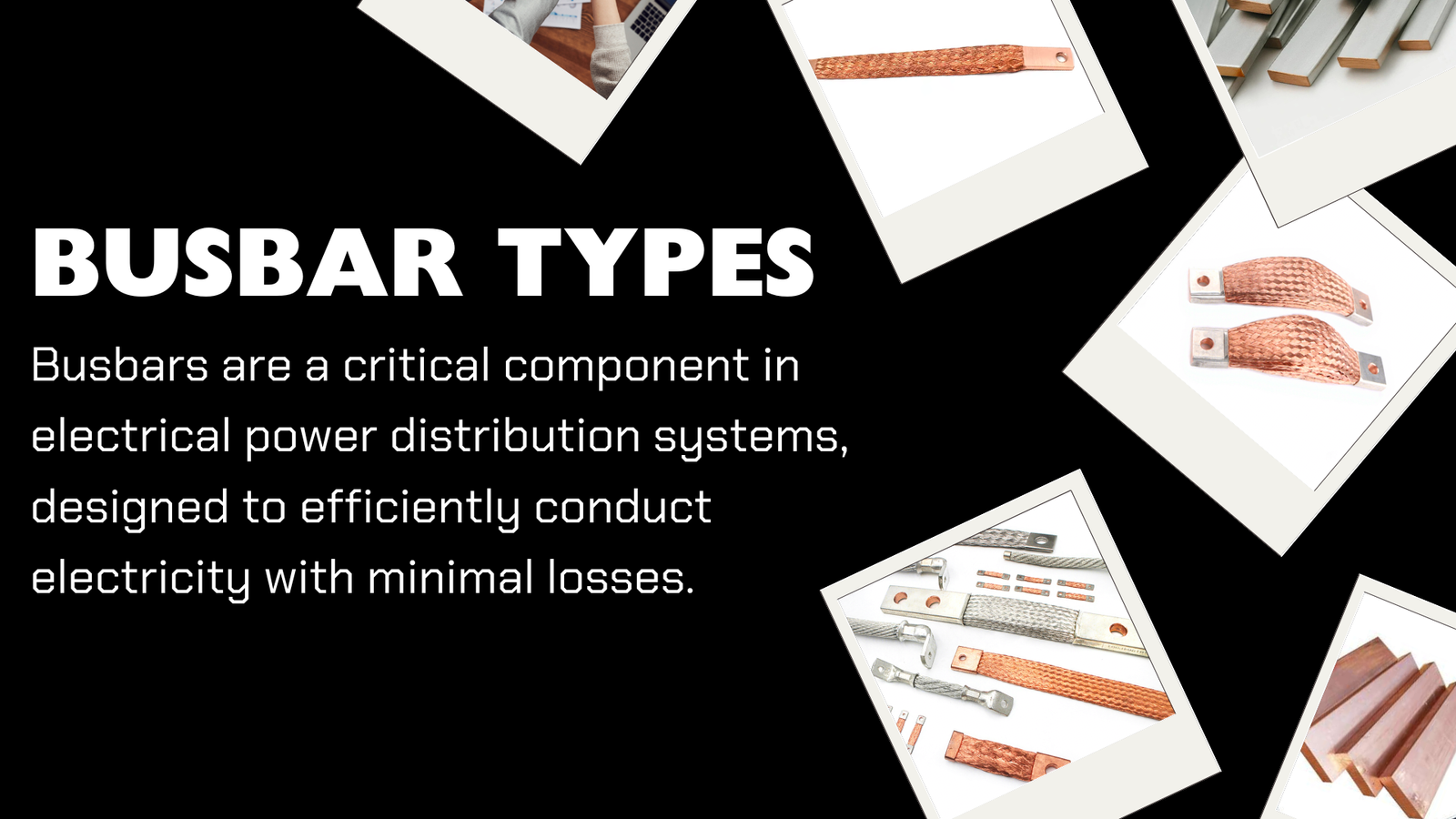
Here Available Types Of Busbars
Busbars Types Details
Copper EC Busbar
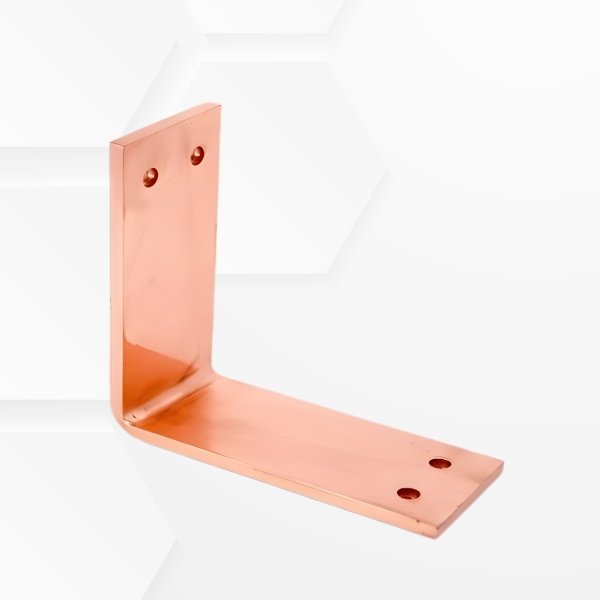
The EC (Electrolytic Copper) busbars are in wide use because of their high quality conductivity and purity. These busbars are manufactured out of high grade copper which makes them low resistivity and high performance in electrical panels, in switchgear, as well as power distribution systems. The fact that they have high mechanism and resistance to corrosion contributes to the fact that they are a sure choice in critical applications where efficiency and consistency is very important.
Tinned Copper Busbar
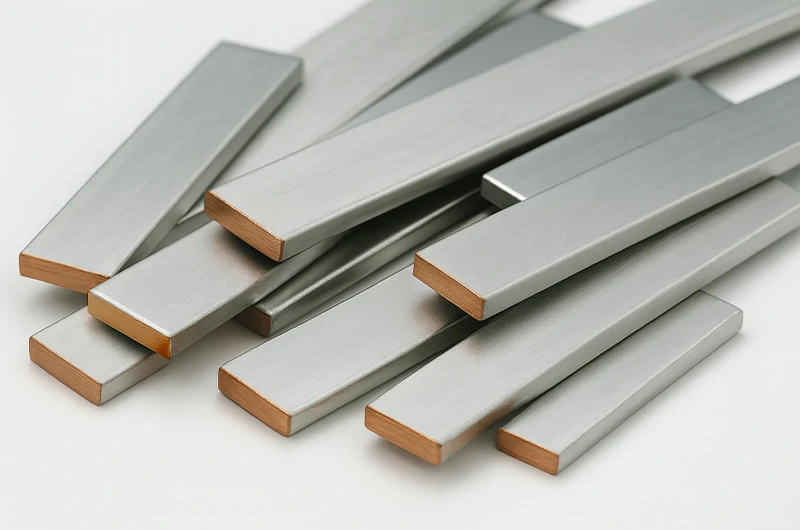
Busbars are made of tinned copper with a thin layer of tin to increase its resistance to corrosion and increase its life span. This sort is also the best in places that are surrounded by moisture, humidity or chemical conditions. Tin coating is also useful in enhancing solderability and also reducing oxidation, which ensures stable electric connection over time. The bus bars are typically utilized in marine, outside and industrial.
Insulated Copper Busbar
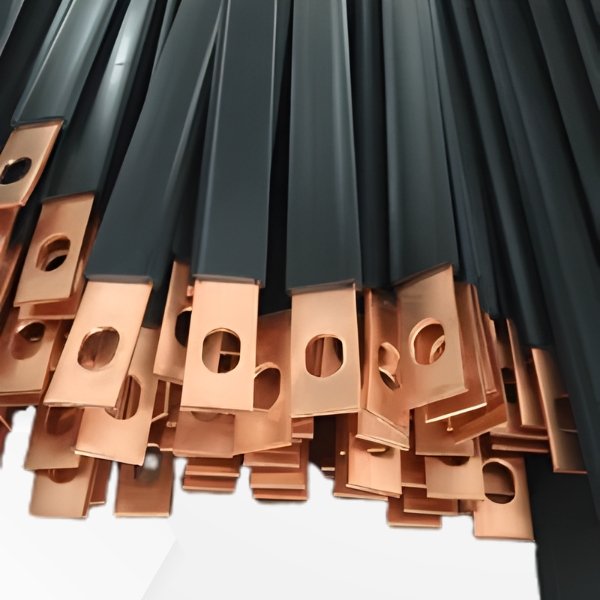
Busbars insulated with copper are built with protective insulation to improve the safety and avoid accidental contact. The insulation layer is also in the defense of environmental factors like dust, moisture and variations in temperatures. The busbars are very common in small electrical systems, control panels and in high density installations where safety and space economy are considerations.
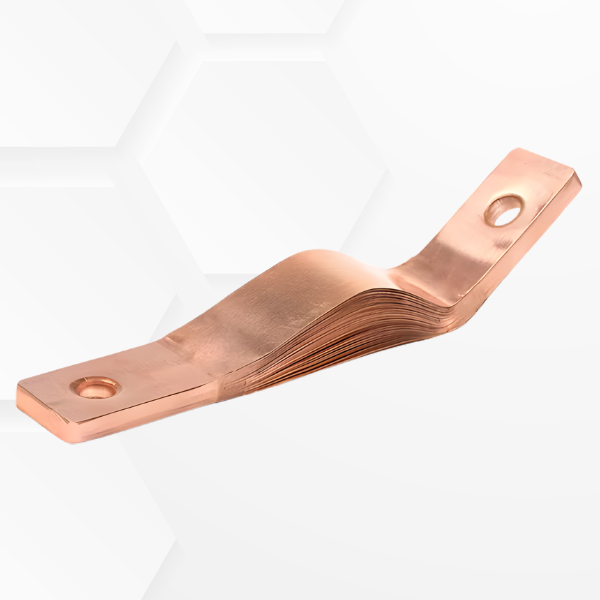
Copper Flexible Jumper/Busbar
Flexible jumpers are made of copper with the aim of ensuring flexibility in electrical connections in cases that may involve vibration or movement. They are built using several layers of thin copper laminations and are easy to install and prevent mechanical stress on the equipment. They are perfect in transformers, generators and also in other applications where flexibility of alignment is needed without affecting conductivity.
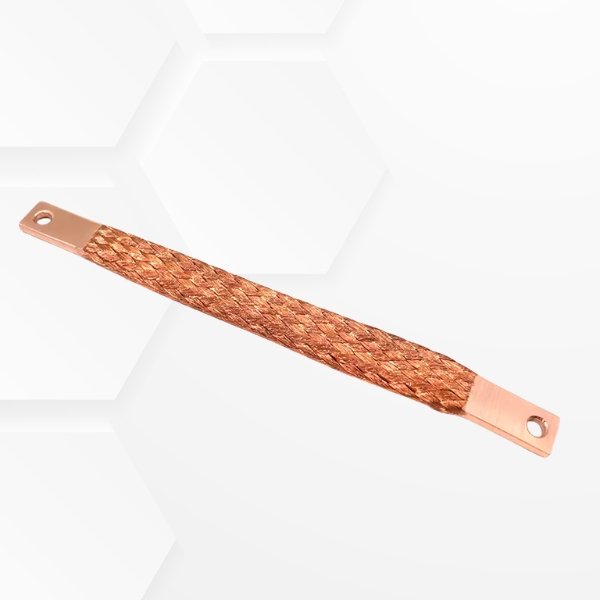
Copper Braided Jumper/Busbar
Copper braided jumpers are created with high-conductivity copper wires that are interwoven to create a connector that is flexible. They are very resistant and can withstand dynamic loading, vibrations and thermal expansions. The busbars are also applicable in grounding, bonding, and connecting moving components of the electrical systems to guarantee effective and safe performance.
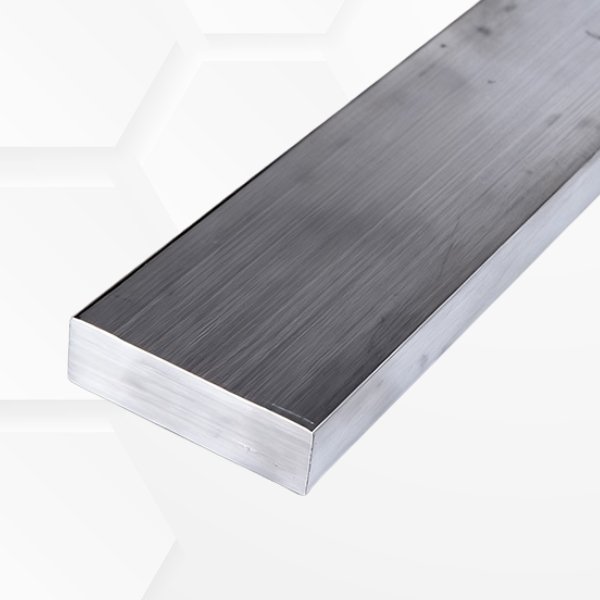
Aluminum Busbar
Good electrical conductivity is achieved with aluminum busbars as alternatives to copper which are cheaper. They are also lightweight and easy to install besides being effective in large scale power distribution systems. Industries with a concern on weight reduction and costs are the common industries that use aluminum busbars. They offer efficiency and long life cycle of service when designed and surface treated properly.
The Importance of a Busbar Choice
It is important to choose a busbar type that guarantees the best electrical operation, safety, and the reliability of the system. Conductivity, environmental conditions, mechanical stress, and cost are some of the factors which should be put into consideration prior to making a choice. At Busbar, we will assist you in selecting the best busbar solution, depending on how you are going to use it in order to achieve maximum efficiency and long term value.
Frequently Asked Questions (FAQs)
Which is a better busbar material, Copper or aluminum?
Copper busbars are more electrically conductive, stronger and durable and are the best suitable in critical applications. Aluminum busbars are, however, light and economical to use and can be used in large scale installations where cost and weight are important.
What is the distinction between EC copper and standard copper busbars?
EC (Electrolytic copper) busbars are manufactured of high purity copper which is very conductive (99.9% pure). This will promote reduced energy wastage and improved performance as opposed to ordinary copper materials.
What are the circumstances when to use tinned copper busbars?
The tinned copper busbars should be installed in the environment where there is a lot of moisture or humidity or where there are chemicals. The coating of tin prevents the oxidation and corrosion of the busbar and enhances the life and stability of the busbar.
What is the use of insulated copper busbars?
The insulated copper busbars are made with the principle of improving safety, which includes inadvertent contact and minimizing short-circuit likelihoods. They can be used in small electrical panels and systems where space and protection are of concern.
What are the applications of flexible copper busbars?
Flexible busbars are made of copper and are usually installed in vibrating, moving or mis-aligned devices, e.g. transformers, generators, and switchgear connections. They assist in lowering the mechanical stress and enhancing the durability of the systems.